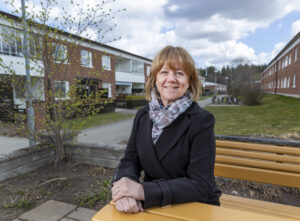
“This is the result of long-term, dedicated efforts across the entire organization. The fact that we’re reaching our goal as early as 2025 shows that our initiatives are having an impact,” says Katarina Prick, CEO of Skövdebostäder.
The goal, which is shared by 192 housing companies in Sweden, is actually not supposed to be achieved until 2030.
“We’re among the roughly 12 percent who’ve already achieved this, which we’re obviously pleased about,” says Tobias Nilsson, head of technical management at Skövdebostäder.
Connectivity and Control Are Important
An important part of this effort has been the early digitization of the properties. In 2010, work began on connecting the property portfolio to the network, which makes it possible to monitor and control energy use more precisely.
“Most recently, we’ve installed about 3,000 room sensors in our apartments. This makes it easier to ensure that tenants have the right indoor temperature while also saving energy,” says Tobias Nilsson.
Solar Cells and Energy-Efficient Laundry Rooms
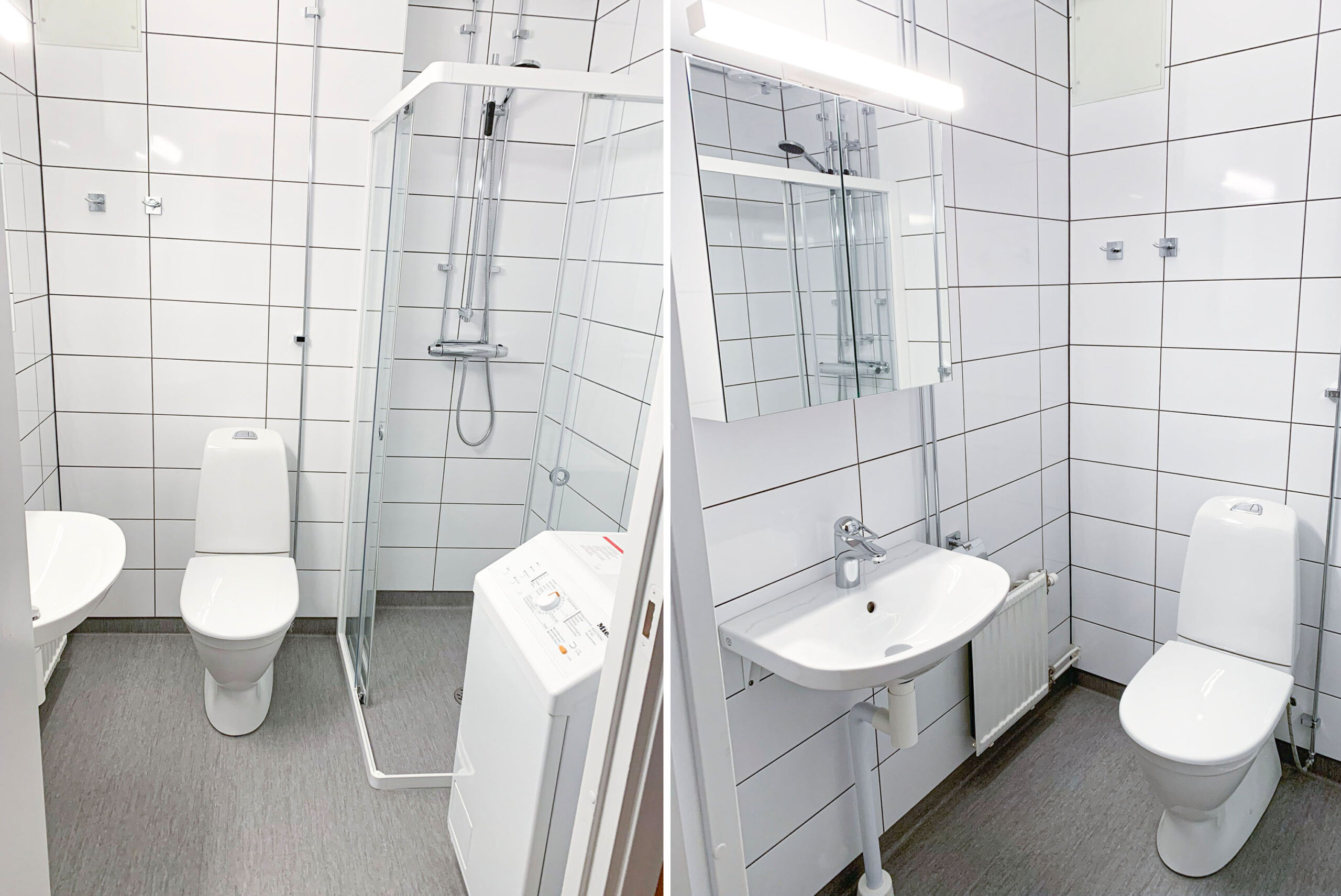
In recent years, we have implemented a series of measures that, taken together, have reduced energy consumption and our climate impact. These include building with passive house technology, installing solar panels, and switching to motion-activated LED lighting in residential areas. Laundry rooms have also been made more energy-efficient by connecting the laundry equipment to the hot water supply.
“Each wash cycle takes an average of 15 minutes less than before. This is an example of how energy efficiency measures can also create added value for our tenants,” says Tobias Nilsson.
AI Control: The Next Step
We are now continuing our work on new climate goals. For example, Skövdebostäder is running a pilot project involving AI-controlled property management on Spånvägen Södra Ryd.
“The goal is to further optimize energy use by allowing the systems to adapt to factors such as weather conditions and the buildings’ needs,” says Tobias Nilsson.